

Where we fight
Nine ways injuries happen.
Same Louisville firm handles every case.
Our fee starts at 25%. Insurance-defense playbook turned against them. No kitchen-sink marketing.
All practice areas- 01 Automobile Accidents From I-264 to the Watterson.
- 02 Tractor Trailer Accidents We know the playbook.
- 03 Motorcycle Accidents The bias isn't luck. It's avoidable.
- 04 Premises Liability Their floor. Their fault.
- 05 Estate Planning & Probate Wills, trusts, probate - led by Rob Walker.
- 06 Workers' Compensation Few firms advertise it. Unions find us here.
- 07 Nursing Home Negligence Their care. Your loved one. Our fight.
- 08 Defective Products Designed to fail. Built to lose.
- 09 Dog Bites Owners are responsible. Period.
Locally rooted
Standing with Louisville's labor unions for three generations.
Tony's father and grandfather were card-carrying members. We know the contracts, the comp boards, and the third-party claim playbook.
All unionsGuides for Kentucky claims
Plain-English answers before you call an insurer.
Comparative fault, PIP, UM/UIM, rideshare, and pedestrian claims - written for Louisville families.
- 01 Comparative Fault in Kentucky How fault is shared after a wreck.
- 02 PIP / No-Fault Benefits What Kentucky PIP covers, and what it doesn't.
- 03 UM / UIM Claims When the other driver has too little insurance.
- 04 Uber and Lyft Accidents Rideshare claims in Louisville.
- 05 Pedestrian Accidents Crosswalk and sidewalk injury claims.
Call your law firm.
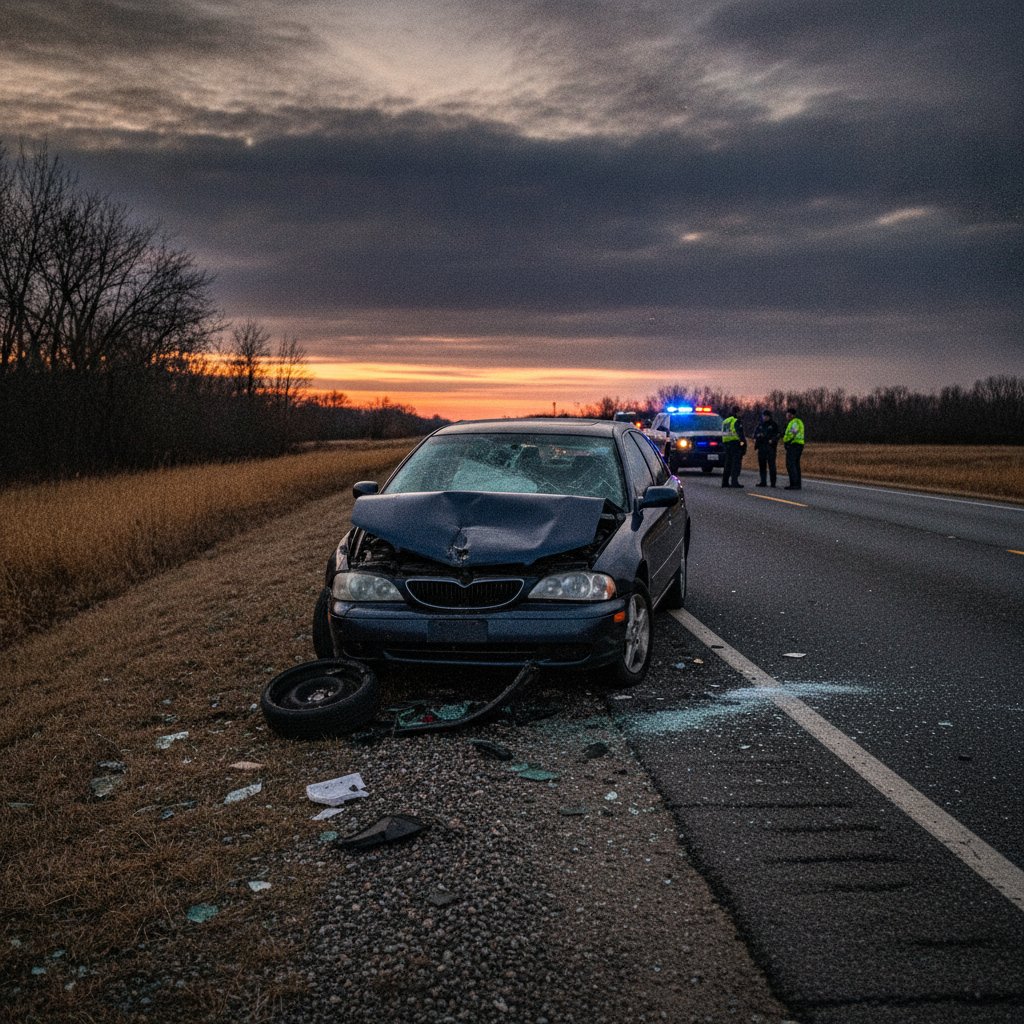
UM/UIM Claims · Louisville, KY
Uninsured and Underinsured Motorist Claims in Kentucky
Hurt by an uninsured or underinsured driver in Louisville, KY? Learn how UM/UIM coverage works under Kentucky law and how to protect your claim.
01 · The short answer
UM/UIM Claims in plain English.
If you are injured by a driver in Kentucky with little or no insurance, you may be able to file a claim against your own auto policy's Uninsured Motorist (UM) or Underinsured Motorist (UIM) coverage. This is a first-party claim against your own insurer to cover damages the at-fault driver cannot pay. The process is governed by specific Kentucky statutes and your policy's terms, so documenting the accident and understanding your rights is critical.
Uninsured/Underinsured Motorist (UM/UIM) Coverage: UM/UIM is optional insurance coverage you purchase as part of your own auto policy. It is designed to protect you financially if you are injured by a driver who has no liability insurance (uninsured) or not enough liability insurance to cover your damages (underinsured).
Updated October 14, 2026. Kentucky law.

02 · UM/UIM Claims guide
Why is UM/UIM Coverage So Important in Kentucky?

In Kentucky, every vehicle owner is required to carry minimum liability insurance to pay for damages they cause to others. However, a significant number of drivers on Louisville roads ignore this law. This means that many motorists may have no insurance to cover the harm they cause in an accident.
This is where Uninsured Motorist (UM) and Underinsured Motorist (UIM) coverage become essential. These are coverages you select and pay for on your own policy. They act as a safety net when the person at fault for your injuries cannot pay.
- Uninsured Motorist (UM) Coverage: This applies when the at-fault driver has no liability insurance at all, or when you are the victim of a hit-and-run and the driver cannot be identified. Insurers must offer you UM coverage, and it is included in your policy unless you reject it in writing.
- Underinsured Motorist (UIM) Coverage: This applies when the at-fault driver has insurance, but their policy limits are too low to cover the full extent of your injuries. For example, if your medical bills and lost wages total $75,000 but the at-fault driver only has the state minimum $25,000 of bodily injury coverage, your UIM coverage could potentially cover the remaining $50,000, up to your own policy limits. Insurers must make UIM coverage available upon request under KRS 304.39-320.
Filing a UM/UIM claim means you are dealing with your own insurance company. While it may feel strange, you paid a premium for this exact protection. However, your insurer may not make it easy. They still have a financial interest in minimizing what they pay out. This is where having an experienced attorney who knows the insurance playbook, from both sides, can make a significant difference. Our firm was founded by an attorney who spent years defending insurance companies and now uses that knowledge to help injured people in Louisville.
“If you are injured by a driver in Kentucky with little or no insurance, you may be able to file a claim against your own auto policy's Uninsured Motorist (UM) or Underinsured Motorist (UIM) coverage.”
Colyer Law Firm · Louisville
03 · UM/UIM Claims guide
How Do I File a UM or UIM Claim in Kentucky?
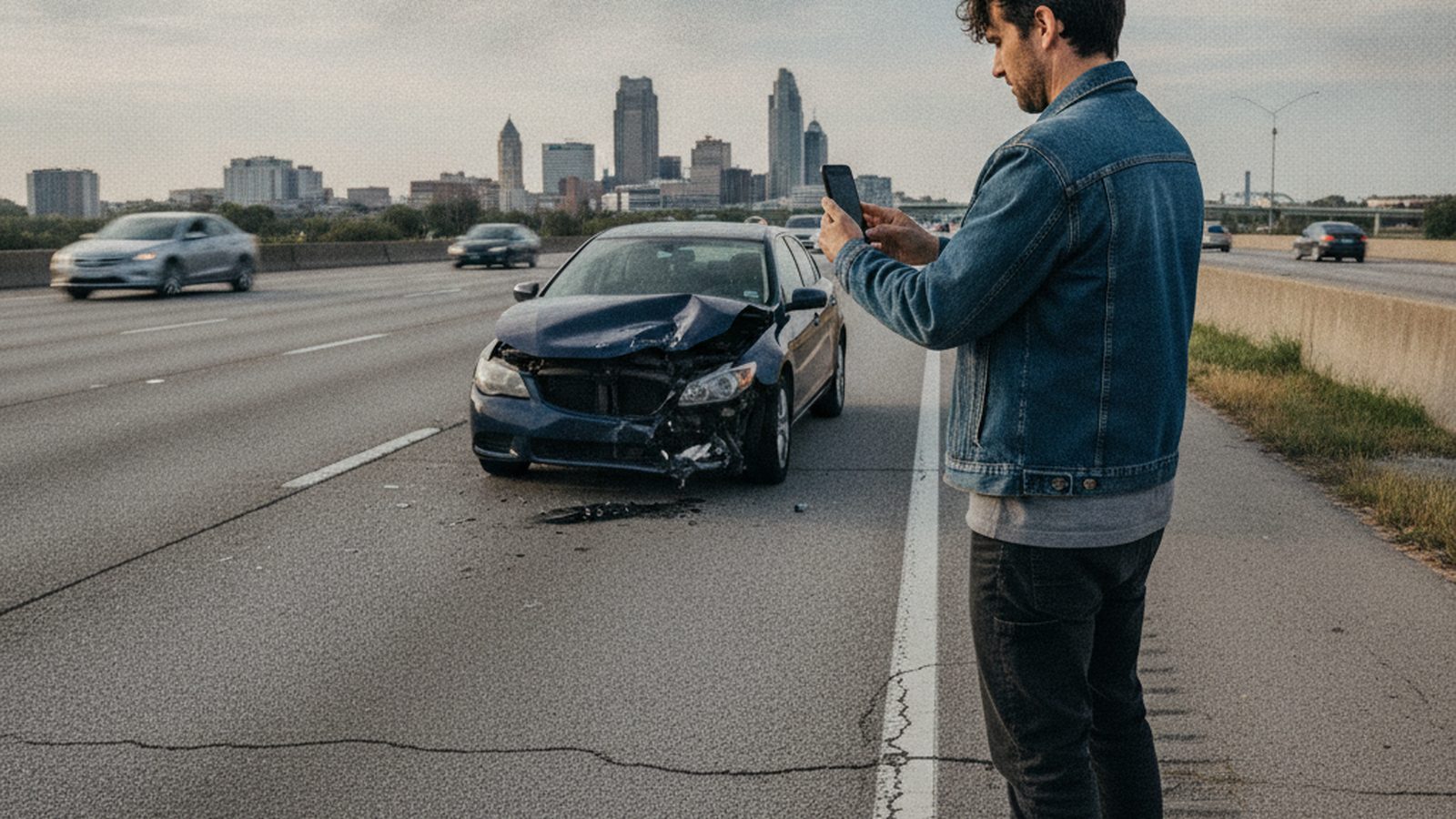
The process for filing an Uninsured or Underinsured Motorist claim in Kentucky involves specific steps and strict deadlines. It is a contractual claim with your own insurance company, but it often runs parallel to a personal injury claim against the at-fault driver. The outcomes depend heavily on the facts of your case, your policy language, and following the correct legal procedures.
Key Steps in the UM/UIM Claim Process
- Report the Accident Immediately: Call 911 from the scene. A police report is crucial evidence, especially in a hit-and-run or when the other driver's insurance status is unclear. It documents the facts and helps establish fault.
- Notify Your Own Insurance Company: Report the accident to your insurer as soon as possible. Explain that the other driver may be uninsured or underinsured, or that it was a hit-and-run. Prompt notice is a requirement in most policies.
- Document Everything: Preserve all evidence. This includes photos of the scene and vehicles, contact information for witnesses, all medical bills and records from your treatment, and proof of any lost wages. Consistent medical care is key to proving your injuries are related to the crash.
- For UIM Claims, Provide Formal Notice Before Settling: This is a critical step. If you plan to accept a settlement from the at-fault driver's insurance, KRS 304.39-320 requires you to first notify your UIM insurer in writing by certified or registered mail. Your insurer then has 30 days to decide whether to consent to the settlement or to pay you the settlement amount directly to preserve their right to sue the at-fault driver. Failing to follow this procedure can void your UIM claim entirely.
- Negotiate with Your Insurer: Your insurance company will investigate the claim. They may request a recorded statement or ask you to see one of their doctors for an exam. Because their goal is to limit their payout, this process can become adversarial. An attorney can handle these communications and build a comprehensive demand package to negotiate for the full value of your damages.
Because these claims involve both contract law and tort law, navigating the process can be complex. Our attorneys have experience from the insurance defense side and know how to counter tactics used to devalue claims.
04 · UM/UIM Claims guide
What Damages Can I Recover Through a UM/UIM Claim?

In Kentucky, a UM or UIM claim is designed to provide the compensation you would have been entitled to recover from the at-fault driver if they had carried adequate insurance. This often goes far beyond the initial medical bills covered by your Personal Injury Protection (PIP) benefits.
Kentucky is a "no-fault" state, which means your own PIP coverage is the first source of payment for up to $10,000 in medical expenses and lost wages, regardless of who was at fault. However, in a serious accident, these benefits are exhausted quickly. A UM/UIM claim can provide recovery for a much broader range of damages.
Comparing Insurance Coverages in a Kentucky Crash
| Type of Damage | Covered by PIP? | Covered by At-Fault Driver's Liability? | Covered by Your UM/UIM? |
|---|---|---|---|
| Medical Bills (beyond $10,000) | No | Yes (up to their limit) | Yes (up to your limit) |
| Lost Wages (beyond PIP limit) | No | Yes | Yes |
| Future Medical Expenses | No | Yes | Yes |
| Loss of Future Earning Capacity | No | Yes | Yes |
| Pain and Suffering | No | Yes | Yes |
| Permanent Scarring or Disfigurement | No | Yes | Yes |
The total value of any claim depends entirely on the specific facts, the severity of the injuries, the amount of documented financial losses, and the available insurance policy limits. For example, Kentucky's minimum liability coverage is only $25,000 per person for bodily injury. If you suffer an injury requiring surgery, that amount may not even cover the hospital bill, let alone your lost income or pain. Your UIM coverage is what bridges that critical gap. An experienced personal injury lawyer can help you document all your damages to build the strongest possible case for full compensation under your policy. Our firm's fee structure, which starts at 25%, is designed to help clients keep more of their recovery.
05 · Step by step
What Are the Deadlines and Challenges in Kentucky UM/UIM Cases?

While UM/UIM coverage is a vital protection, securing benefits is not always straightforward. Policyholders can face tight deadlines, specific policy requirements, and resistance from their own insurance company.
- 01
Filing Deadlines (Statute of Limitations)
In Kentucky, the deadline for filing a lawsuit related to a motor vehicle accident is generally two years. Under KRS 304.39-230(6), this two-year clock starts from the date of the injury, the date of death, or the date of the last PIP payment made by an insurer, whichever is latest. This "rolling" deadline tied to PIP payments is a unique feature of Kentucky law. However, your insurance policy may contain different, often shorter, deadlines for simply giving notice of a UM/UIM claim. It is critical to notify your insurer immediately and consult with an attorney to calculate the precise legal deadline for your specific situation.
- 02
Common Challenges in UM/UIM Claims
- Hit-and-Run Cases: To make a UM claim for a hit-and-run, most Kentucky insurance policies require proof of actual physical contact between the unidentified vehicle and your vehicle. This rule is intended to prevent fraudulent claims where a driver might, for example, swerve to avoid a "phantom vehicle" and crash on their own. If there was no direct contact, you may need an independent witness or other strong corroborating evidence to pursue a claim.
- Proving the Other Driver is Uninsured: The burden is on you to demonstrate that the at-fault driver was uninsured or that you have exhausted their available liability limits. This can involve obtaining affidavits, official statements from the state, or confirmation from the other driver's insurer that the policy limits have been paid in full.
- Disputes with Your Own Insurer: Your insurance company is not simply on your side. They will conduct their own investigation to assess fault, the severity of your injuries, and the necessity of your medical treatment. They may argue that you were partially at fault to reduce their payout or that your injuries were pre-existing. This is where having a law firm with a background in insurance defense is a distinct advantage.
Because of these complexities, it is wise to seek legal advice before giving a recorded statement or signing any releases from any insurance company. The initial consultation at our firm is free, allowing you to understand your rights without financial pressure.
06 · Common questions
UM/UIM Claims -
straight answers.
What are the minimum liability insurance limits in Kentucky?
Kentucky law requires drivers to carry minimum liability coverage of $25,000 for bodily injury per person, $50,000 for bodily injury per accident, and $25,000 for property damage. A policy with a single limit of $60,000 is also acceptable.
This is general information, not legal advice.
Will filing a UM claim make my insurance rates go up?
Generally, filing a UM/UIM claim should not increase your premiums, as the accident was not your fault. You are making a claim for benefits you paid for to protect yourself from the negligence of others. However, insurance companies' practices can vary.
This is general information, not legal advice.
Do I still have a claim if I was partially at fault for the accident?
Yes. Kentucky is a "pure comparative fault" state. This means you can still recover damages even if you were partially at fault, but your recovery will be reduced by your percentage of fault. For example, if you have $100,000 in damages but are found to be 20% at fault, you can still recover $80,000.
This is general information, not legal advice.
What if the at-fault driver's insurance company becomes insolvent and cannot pay?
Kentucky law addresses this situation. Under KRS 304.20-020, if the at-fault driver's insurer becomes insolvent within one year of the accident, their vehicle is treated as uninsured, allowing you to file a claim under your own UM coverage.
This is general information, not legal advice.
What is the difference between a UM/UIM claim and a PIP claim?
A PIP (Personal Injury Protection) claim is part of Kentucky's no-fault system and covers the first $10,000 of your medical bills and lost wages, regardless of fault. A UM/UIM claim is fault-based and covers damages beyond what PIP pays, including pain and suffering, when the at-fault driver is uninsured or underinsured.
This is general information, not legal advice.
What should I do if the at-fault driver's insurer offers me a settlement?
Do not sign any releases or accept a settlement offer without consulting an attorney, especially if you may have a UIM claim. As required by KRS 304.39-320, you must give your UIM insurer formal notice and an opportunity to protect its rights before you can settle with the at-fault party.
This is general information, not legal advice.
Don’t see your question? More on the FAQ page, or just ask us directly.
Free case review
Still have questions? Ask a lawyer.
Tell us what happened. We will explain where you stand, what deadlines apply and what your claim may be worth. No fee unless we win.
Educational only, not legal advice. Reading this page does not create an attorney-client relationship. Kentucky deadlines and rules depend on your facts. Contact a licensed Kentucky attorney about your situation.
UM/UIM Claims · Louisville, KY
Hurt and not sure what’s next?
Let's start the file.
Free case review, no fee unless we win. Our fee starts at 25%. Same-day callback from our team.