

Where we fight
Nine ways injuries happen.
Same Louisville firm handles every case.
Our fee starts at 25%. Insurance-defense playbook turned against them. No kitchen-sink marketing.
All practice areas- 01 Automobile Accidents From I-264 to the Watterson.
- 02 Tractor Trailer Accidents We know the playbook.
- 03 Motorcycle Accidents The bias isn't luck. It's avoidable.
- 04 Premises Liability Their floor. Their fault.
- 05 Estate Planning & Probate Wills, trusts, probate - led by Rob Walker.
- 06 Workers' Compensation Few firms advertise it. Unions find us here.
- 07 Nursing Home Negligence Their care. Your loved one. Our fight.
- 08 Defective Products Designed to fail. Built to lose.
- 09 Dog Bites Owners are responsible. Period.
Locally rooted
Standing with Louisville's labor unions for three generations.
Tony's father and grandfather were card-carrying members. We know the contracts, the comp boards, and the third-party claim playbook.
All unionsGuides for Kentucky claims
Plain-English answers before you call an insurer.
Comparative fault, PIP, UM/UIM, rideshare, and pedestrian claims - written for Louisville families.
- 01 Comparative Fault in Kentucky How fault is shared after a wreck.
- 02 PIP / No-Fault Benefits What Kentucky PIP covers, and what it doesn't.
- 03 UM / UIM Claims When the other driver has too little insurance.
- 04 Uber and Lyft Accidents Rideshare claims in Louisville.
- 05 Pedestrian Accidents Crosswalk and sidewalk injury claims.
Call your law firm.

Pedestrian Accidents · Louisville, KY
Pedestrian Accidents in Louisville: Crosswalks, Blame, and Evidence
Hit by a car while walking in Louisville? Learn about Kentucky crosswalk laws, how fault is determined, and what evidence is critical for your claim.
01 · The short answer
Pedestrian Accidents in plain English.
If you were hit by a car while walking in Louisville, your ability to recover compensation depends on Kentucky's specific traffic laws and the evidence from the scene. Under the state's pure comparative fault rule, you may still have a claim even if you were partially at fault. The strength of your case often hinges on preserving evidence quickly and documenting your injuries thoroughly.
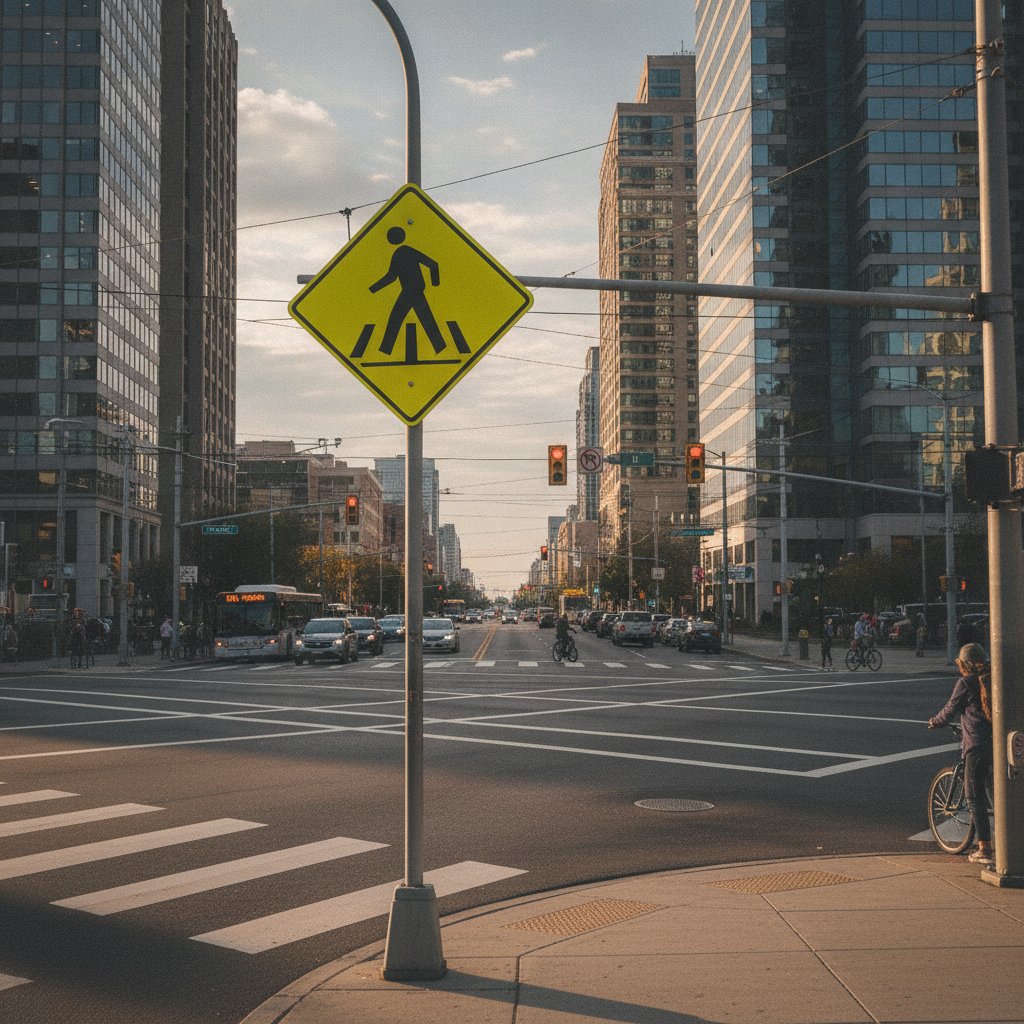
Right-of-Way: Right-of-way is the legal right of a pedestrian or a vehicle to proceed in a particular situation or place. In Kentucky, traffic laws like KRS 189.570 define who must yield to whom in specific scenarios, such as at marked and unmarked crosswalks.
Updated October 14, 2026. Kentucky law.
02 · Pedestrian Accidents guide
Who has the right-of-way in a Kentucky crosswalk?
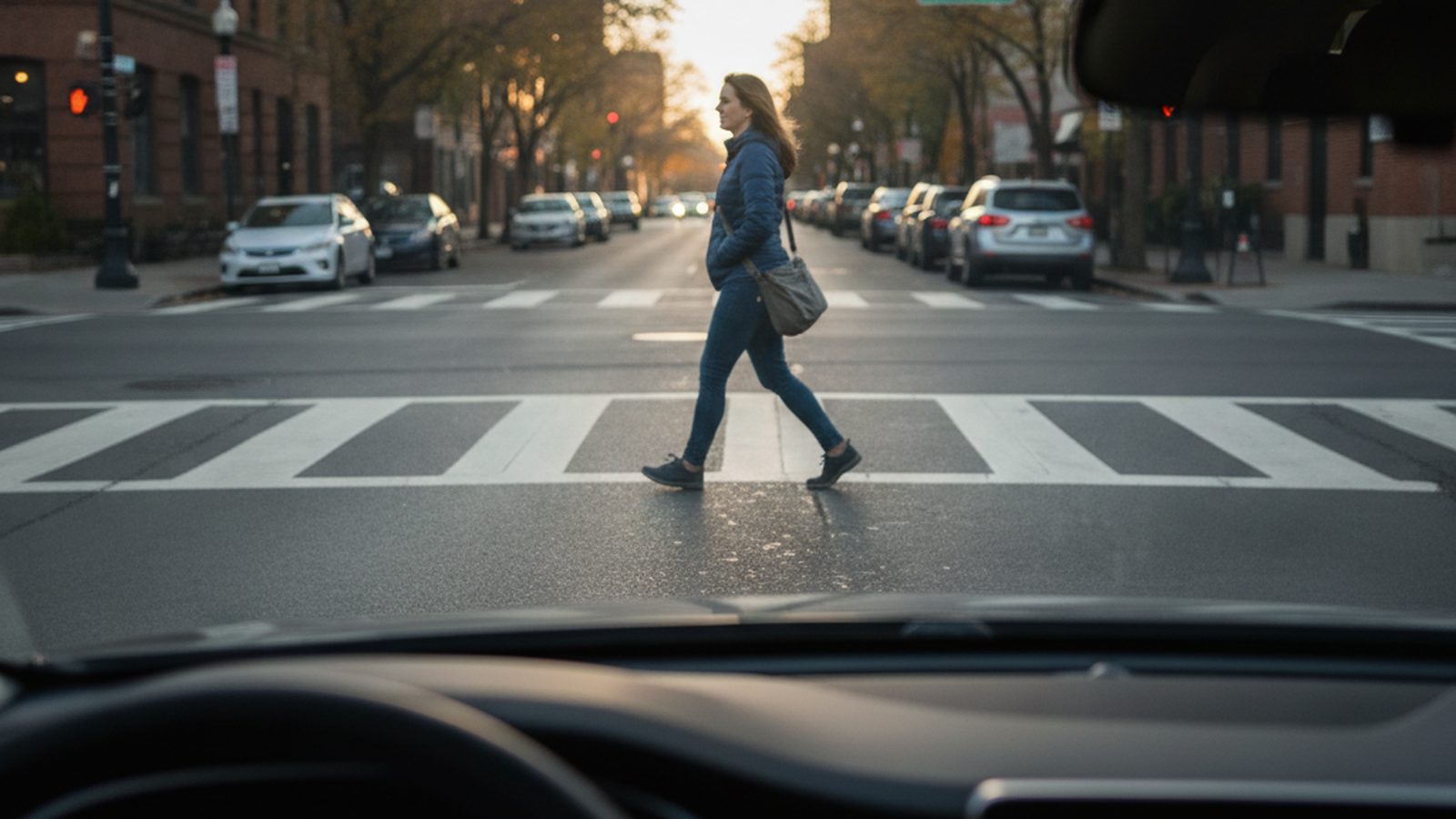
In Kentucky, the question of who has the right-of-way is not always simple and is governed by state law. Understanding these rules is the first step in determining how a pedestrian accident claim is analyzed. This page is for general information, not legal advice for your specific situation. Jurisdiction: Commonwealth of Kentucky.
The primary statute governing pedestrian and driver duties is Kentucky Revised Statute (KRS) 189.570. This law sets out a framework of responsibilities:
However, pedestrians also have duties under the same law. A pedestrian must not suddenly leave a curb or other safe place and walk or run into the path of a vehicle that is so close it creates an immediate hazard. When crossing a road at any point other than a marked or unmarked crosswalk, the pedestrian must yield the right-of-way to all vehicles. Every driver still has an overriding duty to exercise “due care” to avoid hitting any pedestrian.
- 01
At Marked or Unmarked Crosswalks
When traffic signals are not present or not working, a driver must yield the right-of-way to a pedestrian crossing the road. This includes slowing down or stopping if necessary. This duty applies when the pedestrian is on the same half of the roadway as the vehicle or is approaching so closely from the other half as to be in danger.
- 02
When a Vehicle is Already Stopped
If a vehicle is stopped at a crosswalk to let a pedestrian cross, the driver of any vehicle approaching from behind is legally prohibited from overtaking and passing the stopped vehicle.
- 03
On Sidewalks
Drivers must yield the right-of-way to any pedestrian on a sidewalk.
“If you were hit by a car while walking in Louisville, your ability to recover compensation depends on Kentucky's specific traffic laws and the evidence from the scene.”
Colyer Law Firm · Louisville
03 · Pedestrian Accidents guide
What if I was partially at fault for the accident?

This is one of the most common concerns for injured pedestrians. The insurance adjuster for the driver may try to argue you were distracted, wearing dark clothing, or crossing where you should not have been. While these arguments can affect a case, they do not automatically prevent you from recovering compensation in Kentucky.
Kentucky follows a legal doctrine known as “pure comparative fault,” sometimes called pure comparative negligence, which is codified in KRS 411.182. This rule means that an injured person can recover damages even if they were partially responsible for the accident. Your total recovery is simply reduced by your percentage of fault.
How Pure Comparative Fault Works
Imagine a jury determines the total damages in your case for medical bills, lost wages, and pain and suffering are $100,000. The jury also finds that the driver was 80% at fault, but that you were 20% at fault for not using a nearby crosswalk. Under pure comparative fault:
- Your $100,000 in damages would be reduced by your 20% share of fault.
- The amount you could recover would be $80,000.
Even if you were found 60% at fault, you could still theoretically recover 40% of your damages. Insurance companies know this and often use allegations of shared fault to try to reduce the value of a claim. At Colyer Law Firm, we draw on our experience defending insurance companies to anticipate these tactics and build a case that accurately assigns fault to the negligent driver.
04 · Pedestrian Accidents guide
What evidence is critical in a Louisville pedestrian accident case?
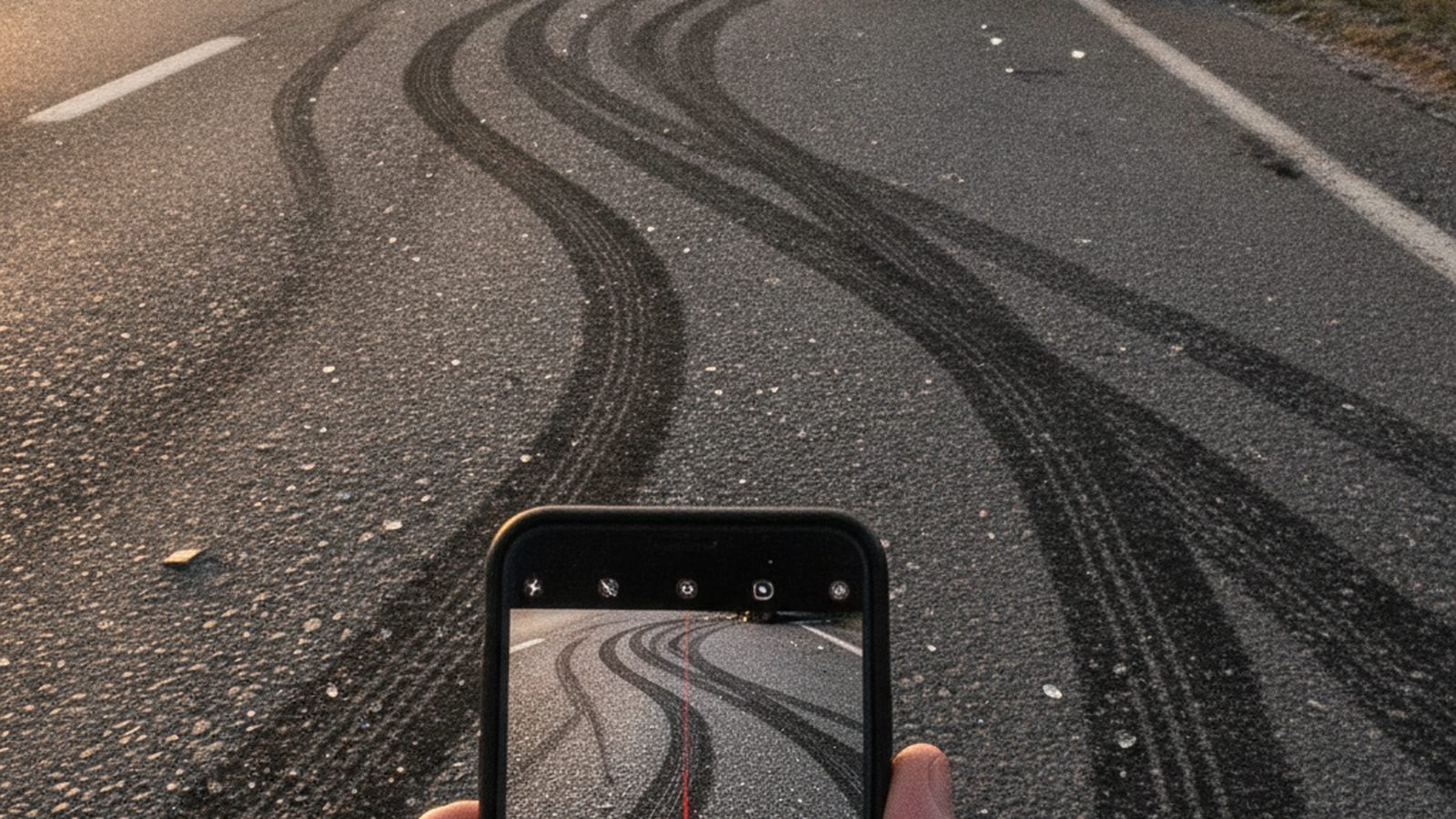
After a pedestrian is hit by a car, evidence can disappear quickly. Taking prompt action to preserve it is one of the most important steps in protecting your rights. The insurance company for the at-fault driver often has investigators on the scene within hours, working to build their defense. We move just as fast to level the playing field.
Key Evidence to Preserve
A strong pedestrian accident claim is built on a foundation of solid evidence. Here are the types of proof we prioritize:
- Scene Documentation: Photographs and videos of the accident scene are vital. This includes pictures of the vehicle, your injuries, the crosswalk or lack thereof, traffic signals, street lighting, and any obstructions that may have blocked the driver's view.
- Witness Statements: Independent witnesses who saw what happened can provide powerful, unbiased accounts. We work to identify and contact witnesses before their memories fade or they become difficult to locate.
- Surveillance Footage: Many Louisville businesses, traffic light cameras, and even residential doorbell cameras capture footage that can be decisive. This video is often deleted automatically within days or weeks, so sending a formal letter demanding its preservation is a critical early step.
- Police Report: The official police report contains the officer’s initial findings, diagrams, and witness information. While the officer's opinion on fault is not the final word, the report is a crucial starting point.
- Medical Records: Consistent and thorough medical documentation is essential. It creates a clear record that links your injuries directly to the accident. It is important to seek medical care promptly and follow all treatment recommendations from your doctors.
05 · Step by step
What types of compensation are available?

If you have been injured as a pedestrian due to a driver's negligence, Kentucky law allows you to seek compensation for the full range of your losses. The value of any case depends entirely on its specific facts, including the severity of the injuries and the amount of available insurance coverage. We never promise a specific outcome, but we work to document every category of damages to build a comprehensive claim.
Compensation in a personal injury claim is typically divided into two main categories: economic and non-economic damages.
- 01
Types of Recoverable Damages
Damage Category Description Economic Damages These are tangible financial losses that can be calculated with receipts, bills, and pay stubs. They include current and future medical expenses, lost wages from missed work, and loss of future earning capacity if your injuries are disabling. Non-Economic Damages These are intangible losses related to the human impact of the injury. This includes compensation for physical pain and suffering, emotional distress, scarring or disfigurement, and loss of enjoyment of life. - 02
Potential Sources of Recovery
Identifying all available insurance policies is a key part of our investigation. Potential sources for compensation may include:
- The at-fault driver's auto liability insurance.
- Your own Uninsured/Underinsured Motorist (UM/UIM) coverage, if the driver was uninsured or their policy limits are too low to cover your damages. Kentucky law requires insurers to offer this type of coverage to protect their policyholders (KRS 304.20-020).
- In some cases, a commercial or business liability policy if the driver was working at the time of the crash.
At Colyer Law Firm, our fee starts at 25%, not the 33% or 40% many firms charge, so more of the recovery stays with you. For a free, no-obligation review of your case, call us at 502.736.8141.
06 · Common questions
Pedestrian Accidents -
straight answers.
How long do I have to file a pedestrian accident claim in Kentucky?
In Kentucky, pedestrian accident claims related to motor vehicles generally have a two-year deadline under the Motor Vehicle Reparations Act (KRS 304.39-230). This period can begin on the date of the accident or the date of the last no-fault benefit payment. Because deadlines can be complex, it is critical to consult an attorney to determine the exact date for your specific situation.
This is general information, not legal advice.
Should I give a recorded statement to the driver's insurance company?
It is not in your best interest to give a recorded statement to the at-fault driver's insurance adjuster without first speaking to an attorney. Adjusters are trained to ask questions that can be used to minimize or deny your claim later. We handle all communications with the insurance company on your behalf.
This is general information, not legal advice.
What if I was hit by a driver who fled the scene (a hit-and-run)?
If you were the victim of a hit-and-run, you may be able to file a claim through your own automobile insurance policy's Uninsured Motorist (UM) coverage. Kentucky law requires insurers to offer this coverage to protect policyholders in exactly this type of situation (KRS 304.20-020).
This is general information, not legal advice.
Does it matter that I was crossing the street outside of a crosswalk?
While pedestrians are required to yield to vehicles when crossing outside a crosswalk, drivers still have a duty to exercise due care to avoid a collision. Under Kentucky's pure comparative fault rule (KRS 411.182), crossing outside a crosswalk may reduce your recovery, but it does not automatically eliminate your right to compensation.
This is general information, not legal advice.
What if I was hit in a private parking lot?
Accidents in parking lots can be complex. Depending on the facts, liability may fall on the driver, the property owner for unsafe conditions like poor lighting or lack of signage, or both. These cases can involve principles of both auto negligence and premises liability.
This is general information, not legal advice.
How much does it cost to hire Colyer Law Firm?
We handle pedestrian accident cases on a contingency fee basis, which means you pay no attorney fees unless we win your case. Our fee starts at 25%, which is lower than the industry standard, ensuring more of the settlement or verdict stays with you.
This is general information, not legal advice.
Don’t see your question? More on the FAQ page, or just ask us directly.
Free case review
Still have questions? Ask a lawyer.
Tell us what happened. We will explain where you stand, what deadlines apply and what your claim may be worth. No fee unless we win.
Educational only, not legal advice. Reading this page does not create an attorney-client relationship. Kentucky deadlines and rules depend on your facts. Contact a licensed Kentucky attorney about your situation.
Pedestrian Accidents · Louisville, KY
Hurt and not sure what’s next?
Let's start the file.
Free case review, no fee unless we win. Our fee starts at 25%. Same-day callback from our team.